Black Steel Fencing vs. Traditional Wrought Iron
Black Steel Fencing vs. Traditional Wrought Iron: What’s the Difference, and Which One Is Right for You?
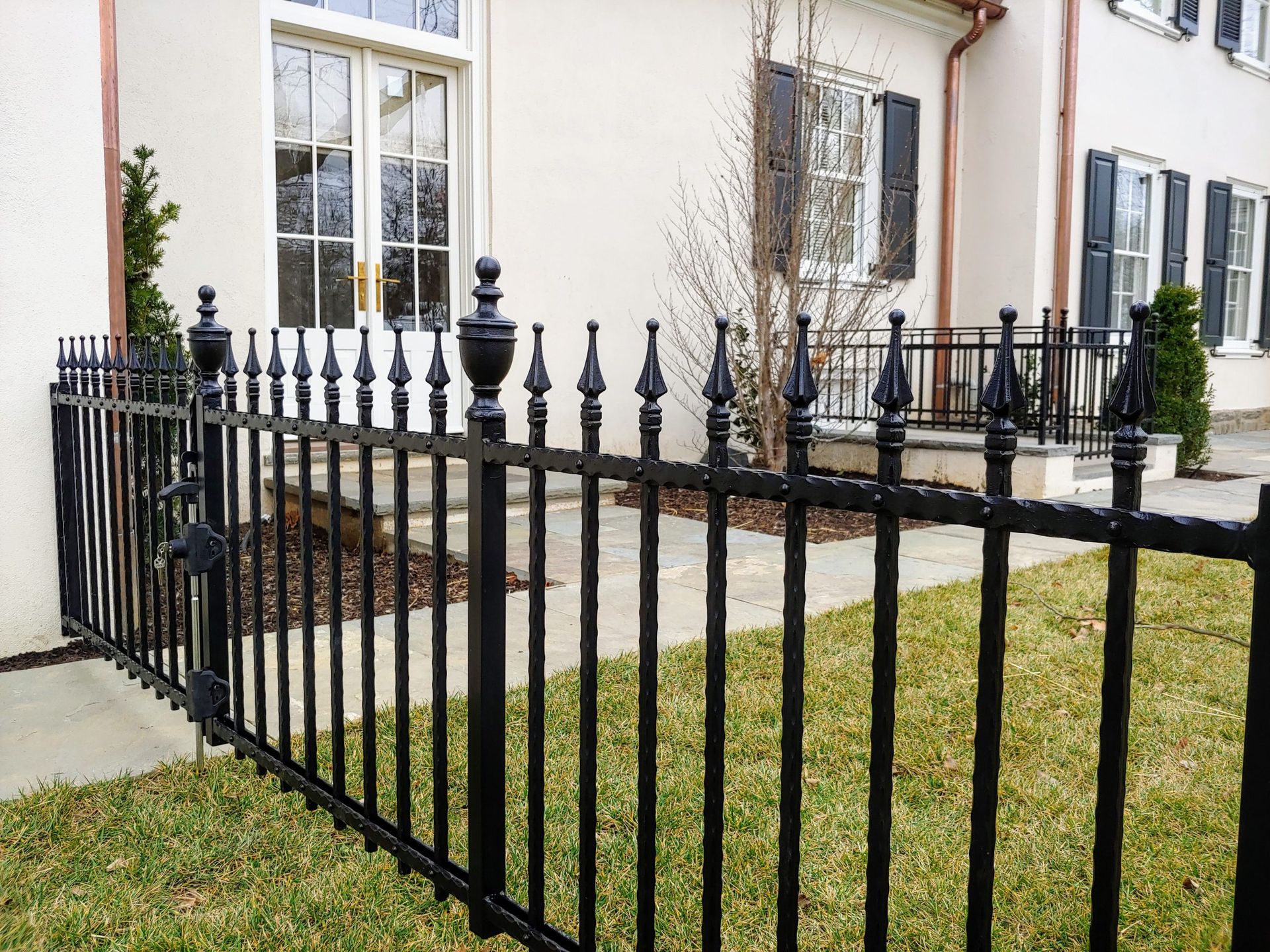
Black Steel Fencing vs. Traditional Wrought Iron: What’s the Difference, and Which One Is Right for You?When it comes to metal fencing, most homeowners picture one of two things: the clean, modern look of black steel fencing, or the old-school, heavy, decorative wrought iron fencing seen on historic properties and older estates. Both styles are beautiful, durable, and timeless — but they are very different in how they’re built, how they hold up, and how much maintenance they require.
If you’ve been debating between the two, this guide breaks down everything you need to know so you can choose the best option for your home.
What Is Traditional Wrought Iron Fencing?
Wrought iron fencing is the classic metalwork you’ve seen for decades — thick, solid iron bars, heavy decorative scrolls, and a handcrafted feel you simply don’t get with modern production. It’s incredibly strong and undeniably beautiful. Many historic neighborhoods still use wrought iron because of its character and craftsmanship.
However, wrought iron also comes with one major drawback: rust.
Iron is highly vulnerable to moisture, and without regular maintenance, rust forms quickly. Homeowners with wrought iron typically must:
- Sand off rust spots
- Prime and repaint every few years
- Patch damage as needed
- Address corrosion early to prevent weakness
It’s a premium, high-end fence — but it demands premium upkeep.
What Is Modern Black Steel Fencing?
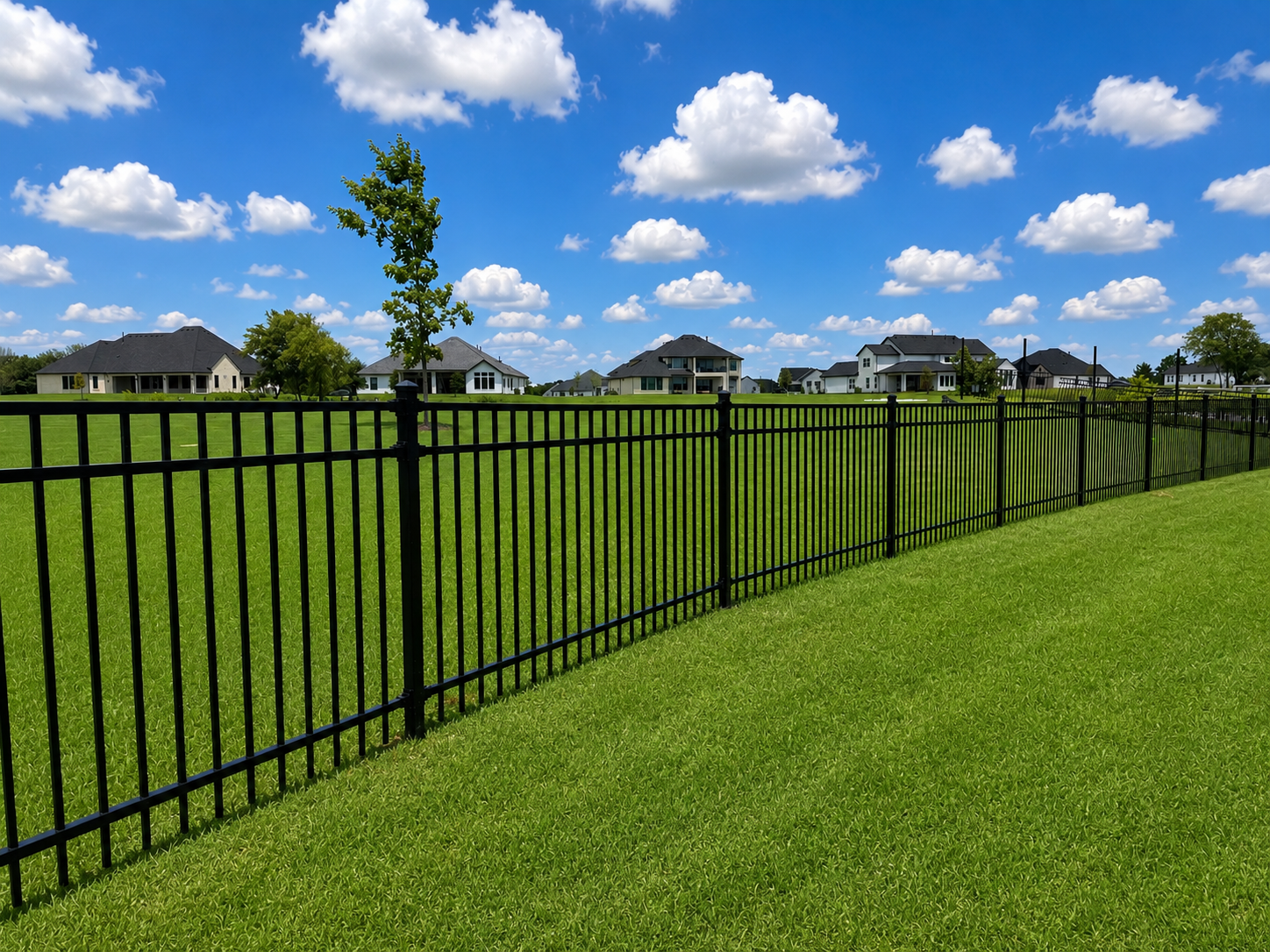
Black steel fencing is the modern metal fence you’ll see in many new neighborhoods across DFW. It gives the same elegant, high-end appearance but with far less weight and much easier maintenance.
These fences are made from galvanized steel, which already resists corrosion. Then they’re finished with a durable black powder coat, creating a long-lasting protective layer that stands up to rain, humidity, sprinklers, and everyday wear.
The result is a strong, attractive fence that holds its color, doesn’t chip easily, and doesn’t require the constant upkeep that wrought iron does. You still get the sleek black metal look — just without the headaches.
Key Differences Between the Two
While they may look similar from a distance, the differences are pretty significant.
Wrought Iron Fencing:
- Made from solid iron
- Extremely heavy
- Highly susceptible to rust
- Needs regular sanding, priming, and painting
- Offers ornate, classic designs
- Expensive to build and maintain
Black Steel Fencing:
- Made from galvanized steel
- Lightweight yet durable
- Powder-coated for rust protection
- Low maintenance
- Clean, modern style
- Much more affordable
In most cases, steel provides the same elegant look at a fraction of the ongoing cost.
Which Option Is Right for Your Home?
Choosing between the two comes down to your style preferences, maintenance tolerance, and budget.
Black steel fencing is typically the best choice for most homeowners looking for:
- A modern look
- Affordability
- Durability
- Minimal maintenance
- HOA-friendly uniformity
Wrought iron fencing, meanwhile, is ideal if you want:
- A historical, old-world aesthetic
- Heavy, handcrafted metalwork
- Decorative scrolls and custom details
- A premium option with heritage and character
- You don’t mind the upkeep
Both options can dramatically elevate your curb appeal — it’s just a matter of how much upkeep you’re willing to take on.
Final Thoughts
Metal fencing continues to be one of the most popular ways to secure and beautify a property, and both black steel and wrought iron offer timeless appeal. Here in the DFW area, where weather and sprinkler systems can be rough on metal, black steel fencing has become the preferred choice thanks to its low maintenance and long-lasting protection.
If you’re considering a metal fence installation or replacement, Frisco Fence can walk you through design options, pricing, finishes, HOA requirements, and long-term maintenance so you can choose the best option for your home.