Why Cedar Is the Best Fence Material for North Texas
Why Cedar Is the Best Fence Material for North Texas
Why Cedar Is the Best Fence Material for North Texas
When it comes to building a fence in North Texas, the type of wood you choose matters. While pine, spruce, fir, and other white woods may cost less upfront, cedar continues to be the better long-term investment for homeowners who want durability, beauty, and performance in our tough Texas climate.
Whether you are considering Japanese cedar or Western Red Cedar, both are excellent choices for fencing. Cedar offers natural benefits that make it better suited for North Texas than pine, white wood, spruce, or Douglas fir.
Cedar naturally contains oils and tannins that help it resist rot, decay, and insect damage. That natural resistance is one of the biggest reasons cedar performs so well outdoors. Unlike lower-grade woods that rely heavily on chemical treatment for protection, cedar starts with built-in durability. This makes a major difference over time, especially in a climate like ours where fences are exposed to intense sun, shifting moisture levels, strong winds, and seasonal storms.
North Texas weather is hard on fences. We deal with long stretches of extreme heat, rapid temperature swings, heavy rain, high winds, and clay soil that expands and contracts. These conditions can cause lower-quality woods to warp, twist, crack, split, and deteriorate much faster. Cedar handles these conditions better because it is naturally more stable than many other wood options. It is less likely to move excessively over time, which helps the fence keep its shape, strength, and appearance.
Pine is often chosen because of its lower upfront cost, especially when pressure-treated. While treated pine can be useful in some applications, it usually does not hold up as well as cedar over the long haul when used for the visible portions of a fence. Pine is more prone to warping, shrinking, cracking, and looking rough as it ages. Spruce, fir, and other white woods also tend to break down faster when exposed to the weather. They generally absorb moisture more easily, have less natural resistance to rot and insects, and often show wear much sooner than cedar.
Another major advantage of cedar is lifespan. A properly built and maintained cedar fence can last many years longer than fences made from pine, spruce, or fir. In many cases, a cedar fence can last 15 to 25 years or more depending on the build quality, installation methods, maintenance, and exposure conditions. Pine and white wood fences often have a much shorter useful life, especially if they are not maintained consistently. In North Texas, where weather conditions can speed up wear and tear, that difference in lifespan becomes even more important.
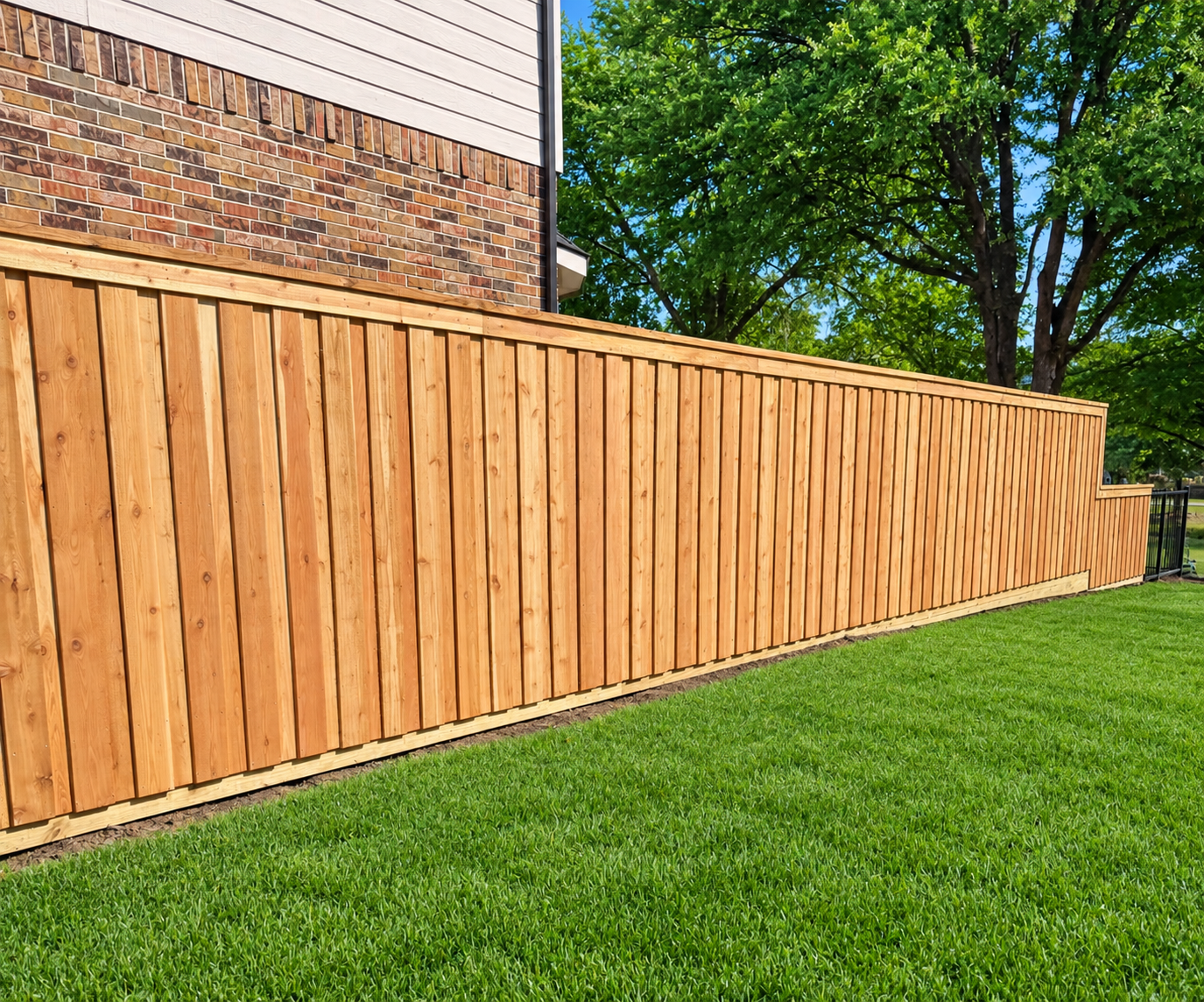
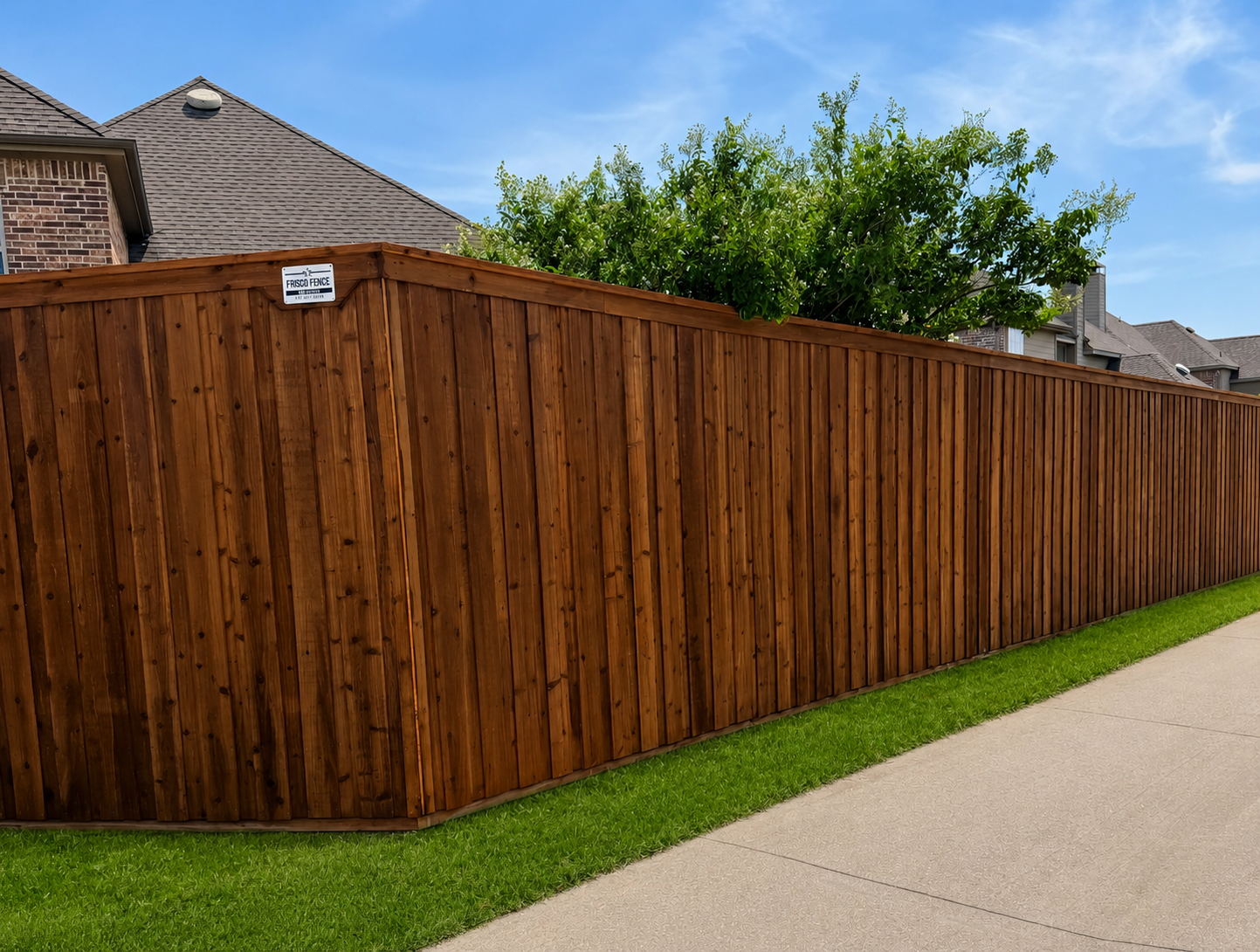
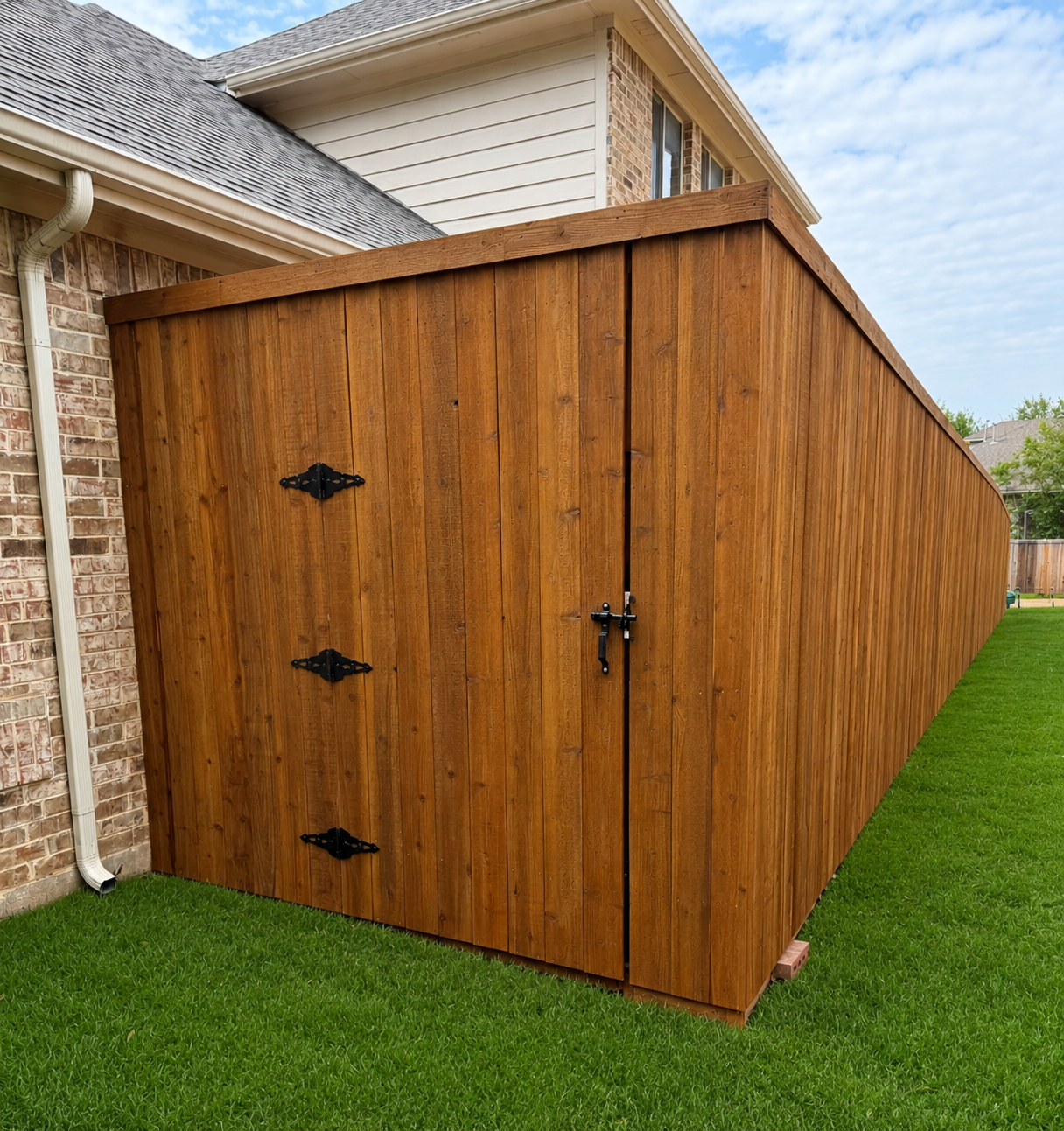
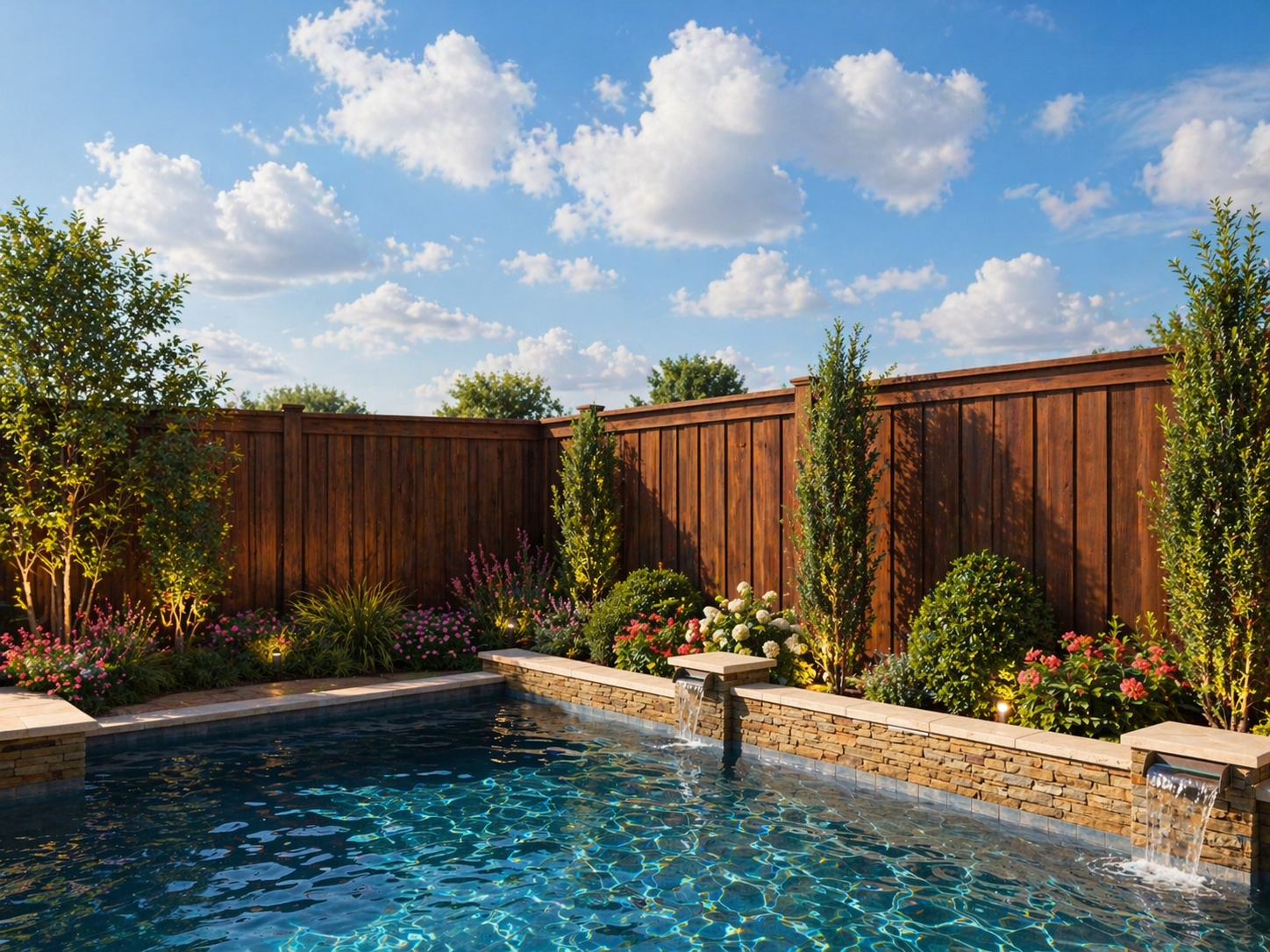
Cedar also stands out in appearance. It has a rich, natural color and attractive grain that immediately gives a fence a more premium look. Both Japanese cedar and Western Red Cedar offer a higher-end appearance than pine or standard white wood. Cedar can also be stained beautifully, helping homeowners protect the wood while enhancing its color. Even as it ages, cedar tends to do so more gracefully than other woods. It can maintain a cleaner, more attractive look over time, while cheaper woods often become blotchy, cracked, or washed out.
Maintenance is another area where cedar has the advantage. No wood fence is completely maintenance-free, but cedar generally requires less effort to keep it looking good and performing well. Because it is naturally more resistant to decay and insects, homeowners are starting with a stronger product from day one. When paired with proper installation, quality hardware, and a good stain or sealant, cedar provides long-lasting performance with fewer issues.
For homeowners in North Texas, cedar also offers better long-term value. While it may cost more upfront than pine or white wood, that investment often pays off through a longer lifespan, fewer repairs, better curb appeal, and less frequent replacement. Choosing cedar is not just about how the fence looks when it is new. It is about how well it holds up five, ten, or fifteen years from now.
At the end of the day, if you want the best wood fence for North Texas, cedar is the clear winner. Whether you choose Japanese cedar or Western Red Cedar, you are choosing a material that is naturally beautiful, more durable, more stable, and better suited for our climate than pine, spruce, fir, or other white woods.
A fence is a major part of your property’s appearance, privacy, and security. Choosing the right material from the start makes all the difference. In North Texas, cedar continues to be the best choice for homeowners who want a fence that not only looks great, but also lasts.
Call or text 214-501-5450 for a free quote from Frisco Fence and Stain.