Why We Use Cedar Rails Instead of Pressure Treated Pine When Building Fences
Why We Use Cedar Rails Instead of Pressure Treated Pine When Building Fences
Why We Use Cedar Rails Instead of Pressure Treated Pine When Building Fences
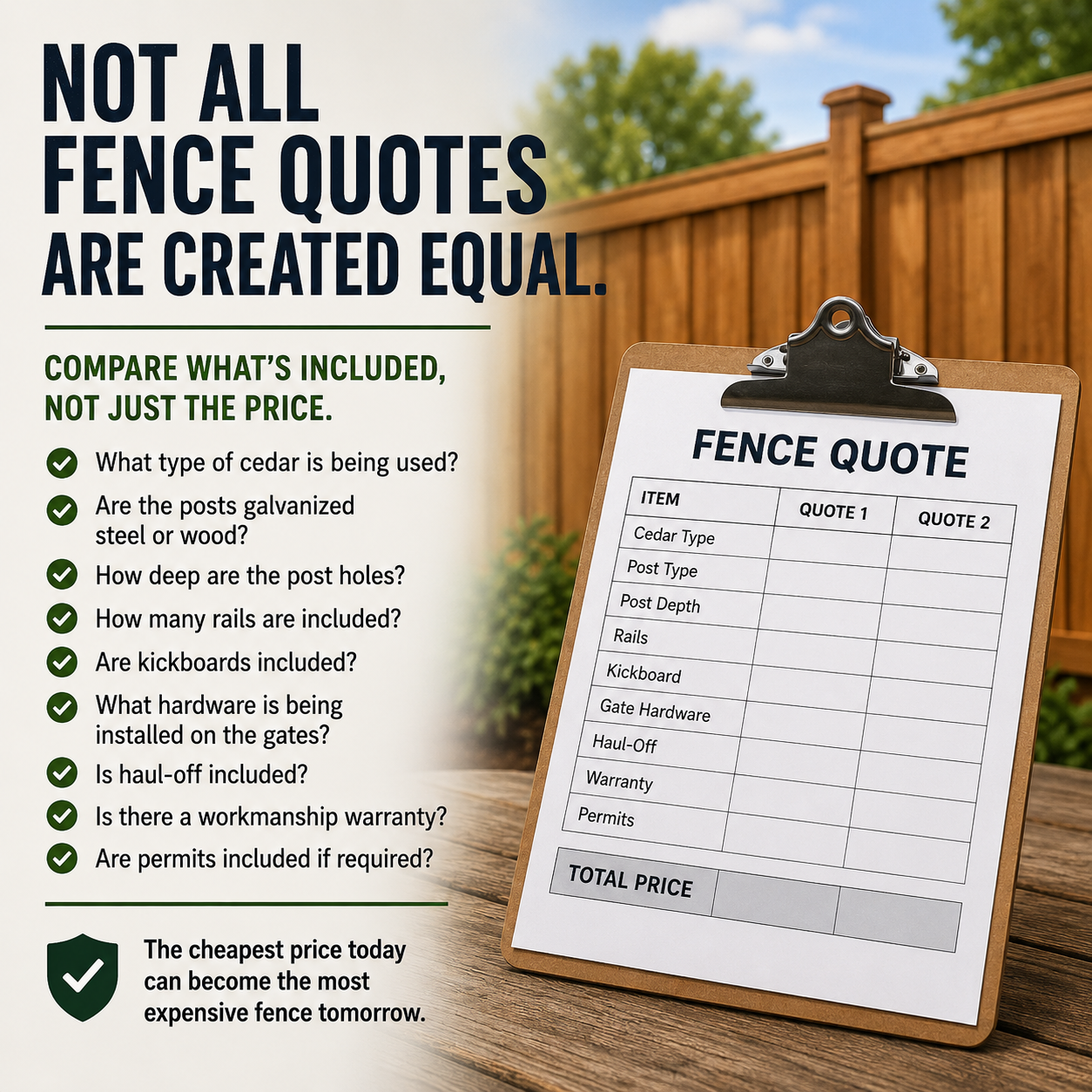
When homeowners compare fence estimates, one detail that often gets overlooked is the type of rails being used behind the pickets. At Frisco Fence, we build the majority of our cedar fences using cedar rails instead of pressure treated pine rails — and there are several important reasons why.
While pressure treated pine certainly has its place in fence construction, especially for kickboards, we believe cedar rails provide a better long-term fencing system for most residential projects here in North Texas.
What Are Fence Rails?
Fence rails are the horizontal boards that run between the posts and support the fence pickets. Even though they are mostly hidden once the fence is completed, they play a major role in the fence’s overall strength, longevity, and appearance.
The quality of the rails directly impacts how well a fence holds up over time.
Why We Prefer Cedar Rails
1. Cedar Is More Dimensionally Stable
One of the biggest advantages of cedar rails is stability.
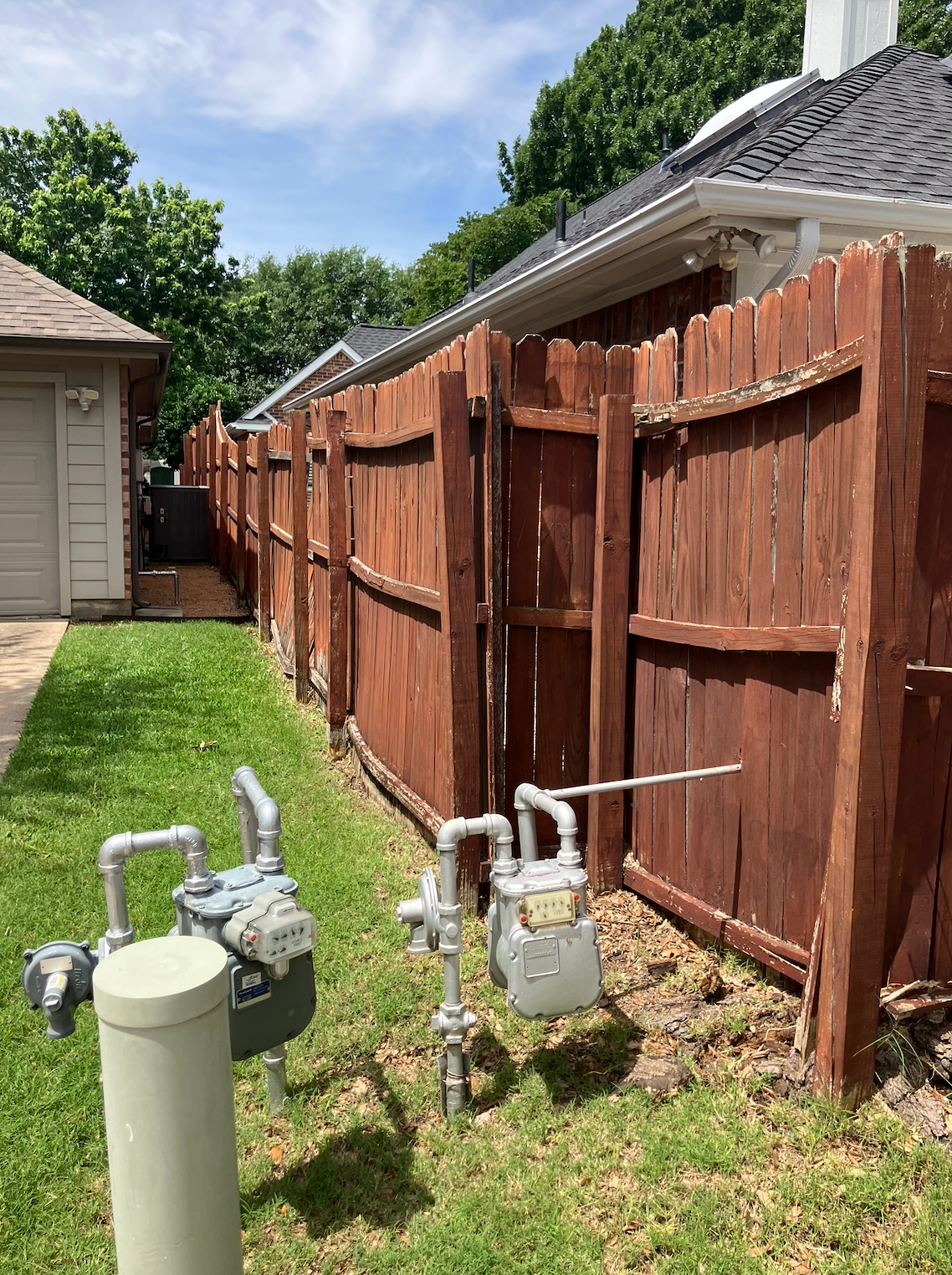
Pressure treated pine is typically much wetter when installed because of the treatment process. As it dries out over time, it tends to:
- Twist
- Warp
- Bow
- Shrink more aggressively
That movement can eventually affect the overall appearance and structure of the fence.
Cedar, on the other hand, is naturally more stable and experiences less movement as it ages. That means straighter fence lines, reduced warping, and a cleaner appearance long term.
2. Cedar Naturally Resists Rot & Insects
Cedar contains natural oils and tannins that help resist:
- Rot
- Decay
- Moisture damage
- Insect activity
Because of this, cedar performs extremely well outdoors without requiring chemical treatment.
Pressure treated pine relies on chemical preservatives to help resist decay. While it can still be durable, cedar’s natural resistance makes it an excellent material choice for the structural portions of the fence above ground.
3. Better Long-Term Appearance
Even though the rails are mostly hidden, warped rails eventually show themselves through the fence pickets.
Using cedar rails helps maintain:
- Straighter fence lines
- More uniform picket spacing
- Cleaner appearance over time
- Reduced rippling or waviness
For homeowners investing in a premium cedar fence, we believe the framing behind the fence should match the quality of the visible materials.
4. Cedar Pairs Better with Cedar Pickets
When building a cedar fence, cedar rails and cedar pickets tend to expand and contract more consistently together compared to mixing cedar with pressure treated pine.
This helps the fence age more evenly over time and reduces stress on fasteners and brackets.
Why Pressure Treated Pine Works Best for Kickboards
Although we prefer cedar rails, we actually believe pressure treated pine is often the better option for kickboards.
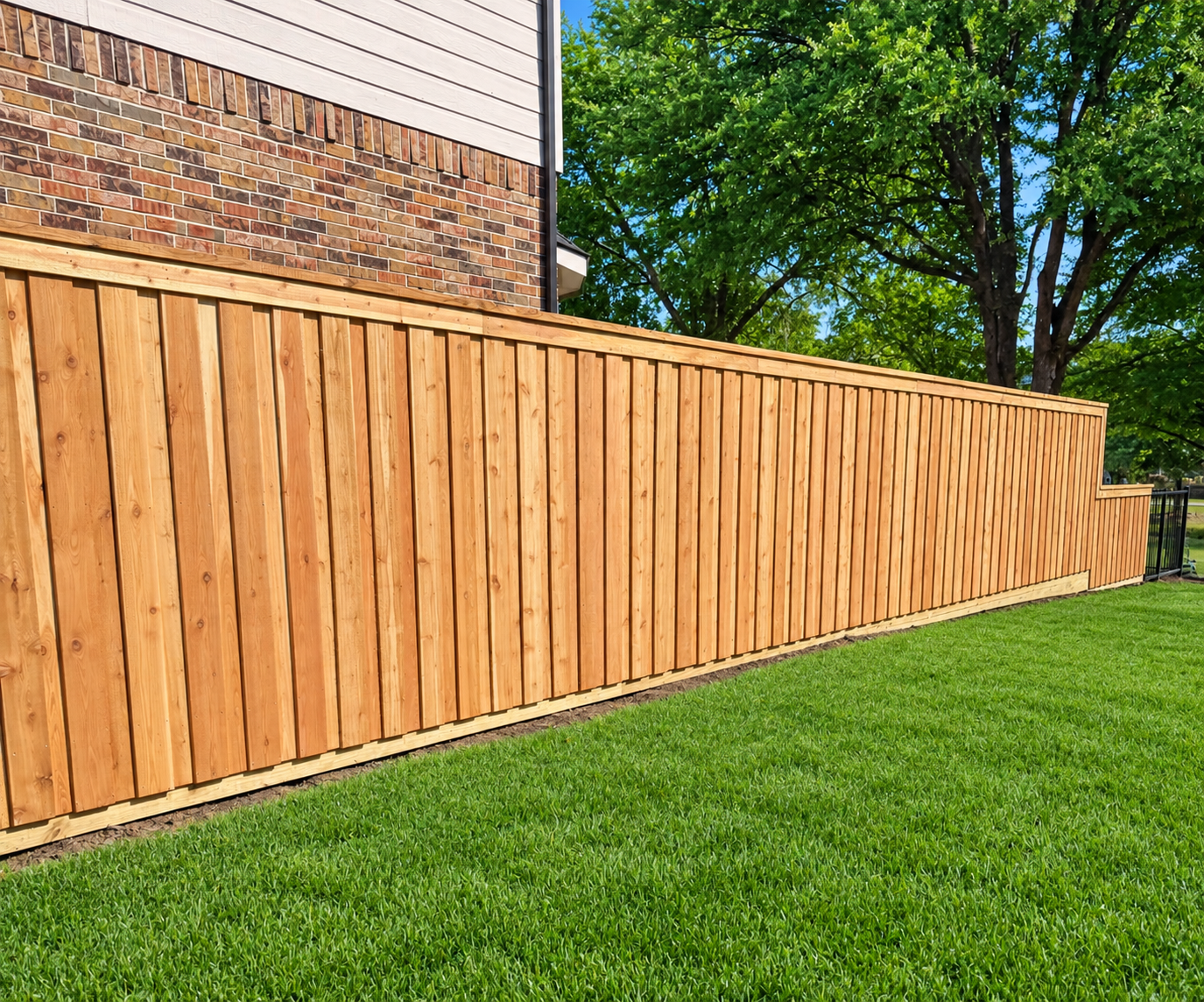
A kickboard is the bottom horizontal board installed at ground level to help protect the fence pickets from direct soil contact, moisture, weed eaters, and erosion.
Why Pressure Treated Pine Performs Better at Ground Level
Ground contact areas experience the harshest conditions on the entire fence:
- Constant moisture exposure
- Soil contact
- Sprinkler saturation
- Mud buildup
- Weed eater damage
Pressure treated pine is specifically designed to handle these conditions because the wood has been chemically treated to resist moisture and decay in high-exposure environments.
For this reason, pressure treated pine kickboards typically outperform cedar in direct ground-contact applications.
The Best of Both Worlds
At Frisco Fence, we often recommend a fencing system that combines:
- Cedar pickets
- Cedar rails
- Steel posts
- Pressure treated kickboards
This combination helps provide:
✅ Better structural stability
✅ Improved long-term durability
✅ Better resistance to ground moisture
✅ Cleaner overall appearance
✅ Longer fence life
Every material on a fence serves a purpose, and using the right material in the right location makes a major difference in how well the fence performs over time.
If you are considering a fence replacement or new fence installation in North Texas, understanding the materials being used behind the scenes can help you make a much more informed decision.
Thank you,
Holly Cottles
Frisco Fence Owner
Direct: 469-536-1399
Holly@friscofencellc.com