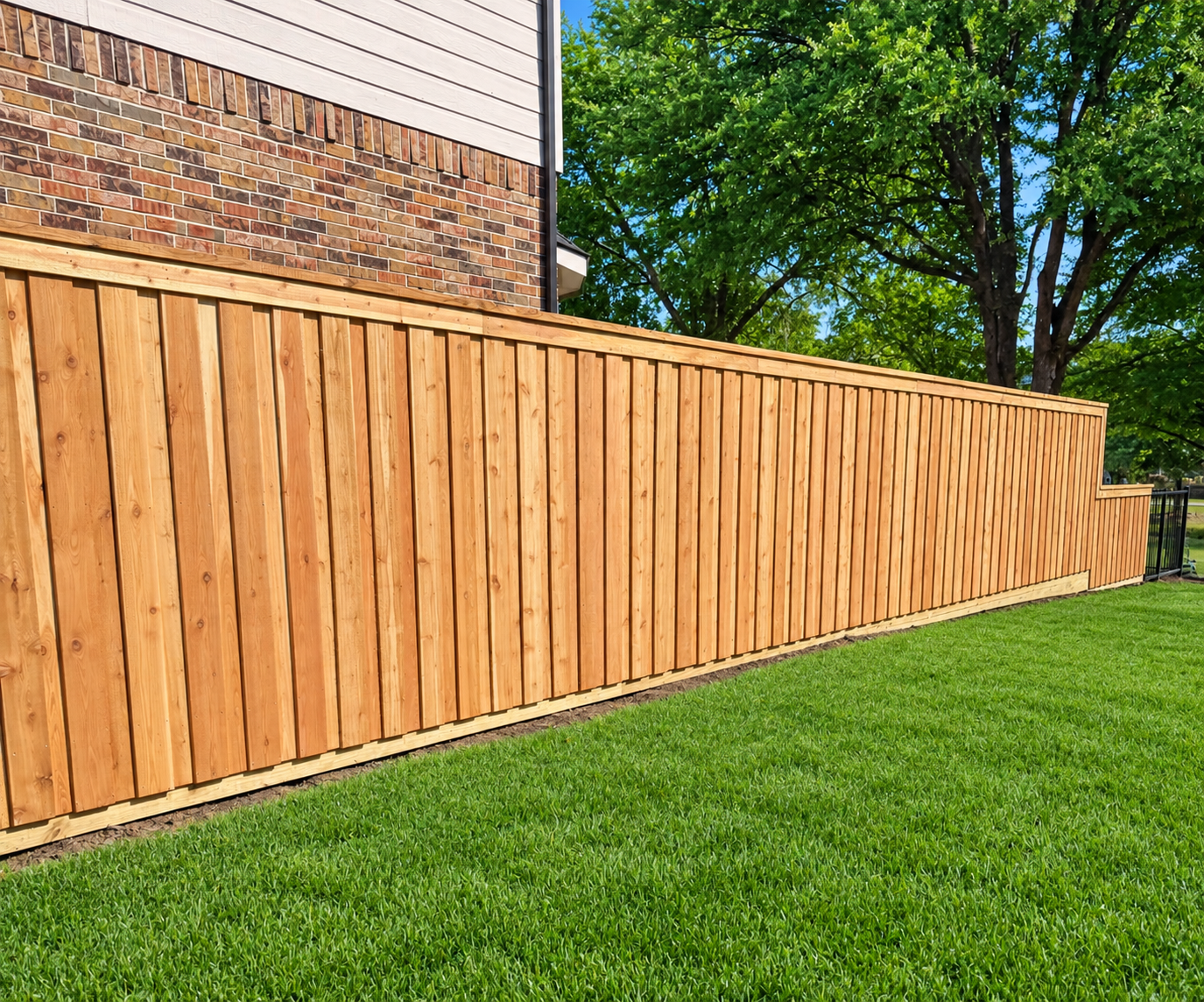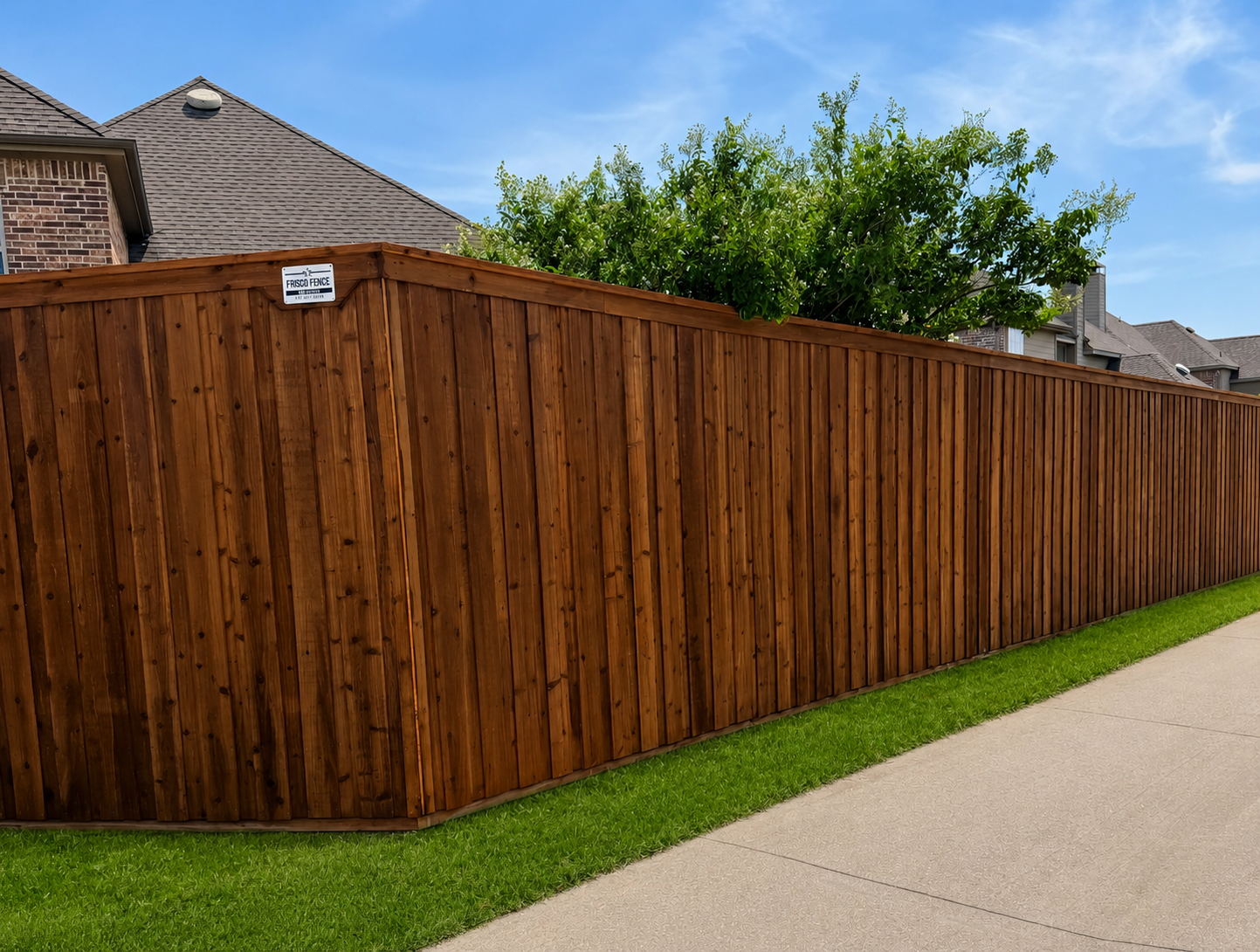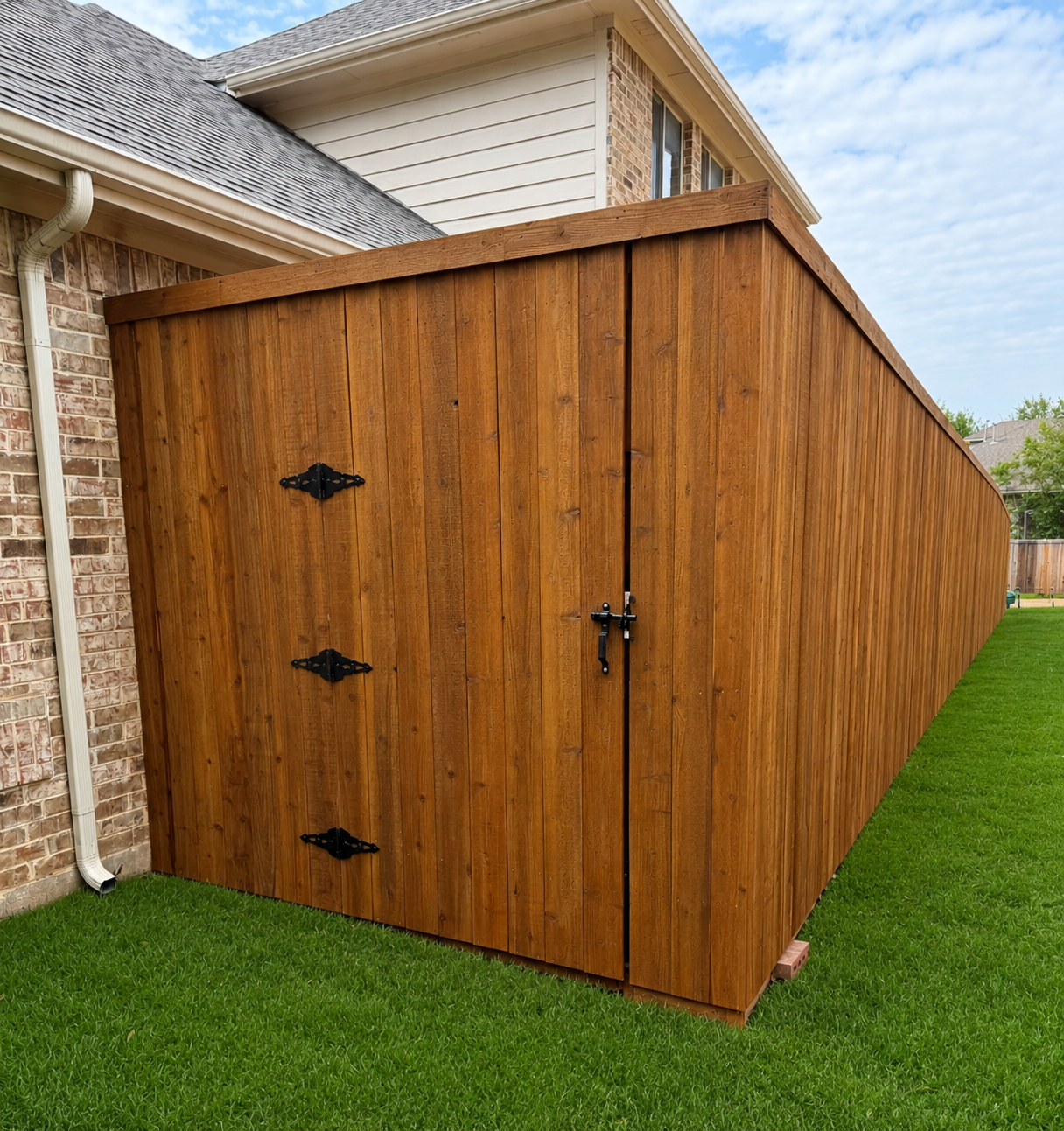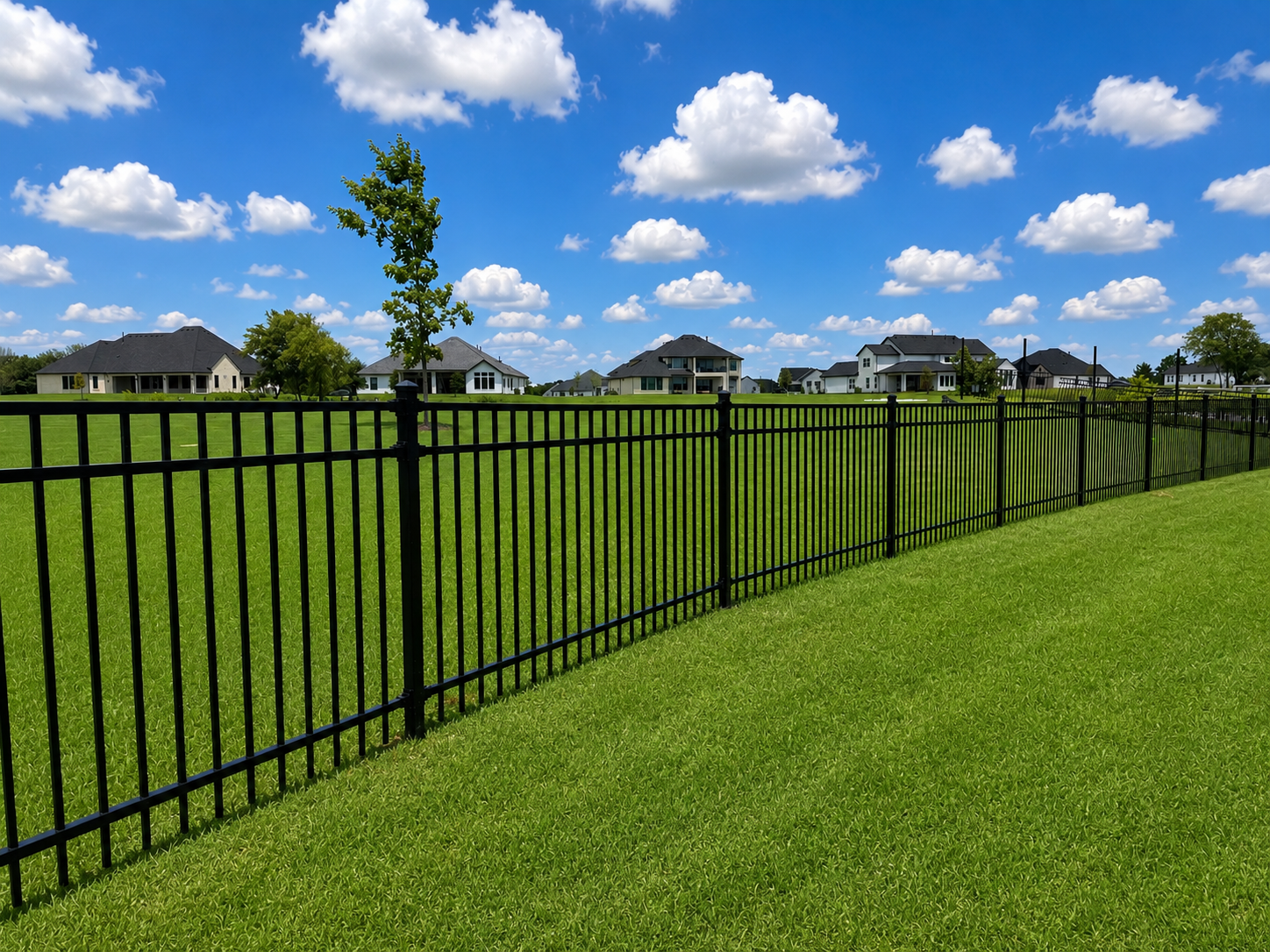
How Long Do Cedar Fences Last in North Texas?
How Long Do Cedar Fences Last in North Texas?

How Long Do Cedar Fences Last in North Texas?
One of the most common questions we hear from homeowners is:
"How long will a cedar fence actually last?"
The answer depends on several factors, but a properly built and maintained cedar fence in North Texas can often last 20 to 30 years or more.
Unfortunately, many fences don't reach that lifespan because of poor installation, low-quality materials, lack of maintenance, or the harsh Texas climate.
Here's what determines how long your fence will last and what you can do to maximize its life.
The North Texas Climate Is Tough on Wood
Living in North Texas means your fence is constantly battling the elements.
Every year your fence experiences:
- Triple-digit summer temperatures
- Intense UV exposure
- Heavy spring thunderstorms
- High winds
- Hail
- Periods of heavy rain followed by drought
- Expanding and contracting clay soils
These conditions put tremendous stress on every part of your fence, from the pickets to the posts.
Without proper protection, wood slowly dries out, cracks, warps, and begins to deteriorate.
The Type of Cedar Matters
Not all cedar is created equal.
At Frisco Fence & Stain, we primarily install two types of cedar.
Japanese Cedar
Japanese Cedar has become one of the most popular fencing materials in North Texas.
It offers:
- Excellent durability
- Attractive appearance
- Consistent quality
- Factory pre-stained options
- Outstanding value
Today's Japanese Cedar products have proven themselves so well that we confidently offer a 10-year workmanship warranty on qualifying installations.
Western Red Cedar
Western Red Cedar has long been considered the premium choice.
It offers:
- Rich color variation
- Beautiful grain patterns
- Excellent natural resistance to insects and decay
- High-end appearance
Many homeowners choose Western Red Cedar when they want the absolute best curb appeal.
Think of it this way:
Japanese Cedar is like a Toyota.
Reliable, dependable, and an excellent value.
Western Red Cedar is like a Lexus.
It performs exceptionally well while offering a more luxurious appearance.
Both can provide decades of service when properly maintained.
Steel Posts Make a Huge Difference
One of the biggest reasons fences fail isn't because the wood wears out.
It's because the posts fail.
Traditional wood posts sit underground where they're constantly exposed to moisture.
Over time they can rot, weaken, and lean.
At Frisco Fence & Stain, we install heavy-duty galvanized steel posts on most new fences.
Steel posts offer several advantages:
- Won't rot
- Resist termites
- Handle North Texas soil movement better
- Help keep fences straighter longer
- Increase overall fence lifespan
Many homeowners are surprised to learn that replacing a few rotten posts can sometimes cost thousands of dollars years down the road.
Using steel posts from the beginning helps prevent that problem.
Proper Installation Is Critical
Even the highest-quality cedar won't last if it's installed improperly.
A properly built fence includes:
- Correct post spacing
- Proper concrete depth
- Quality fasteners
- Straight construction
- Strong gate framing
- Adequate bracing
Poor workmanship often leads to premature sagging, leaning, loose pickets, and gate problems long before the wood itself wears out.
Staining Can Add Years to Your Fence
One of the best investments you can make is regularly staining and sealing your fence.
Oil-based penetrating stains soak deep into the wood instead of simply sitting on the surface.
Benefits include:
- UV protection
- Water resistance
- Reduced cracking
- Reduced warping
- Better color retention
- Longer overall fence life
In North Texas, we generally recommend applying a quality oil-based stain every 2 to 4 years, depending on sun exposure and weather conditions.
Keeping your fence protected is much less expensive than replacing it years earlier than necessary.
Annual Maintenance Helps Catch Small Problems Early
Many homeowners don't think about their fence until something breaks.
A yearly inspection can identify small issues before they become expensive repairs.
During a maintenance visit, common items include:
- Tightening loose hardware
- Checking gates for sagging
- Inspecting hinges and latches
- Replacing damaged pickets
- Looking for signs of insects or rot
- Checking for shifting or leaning posts
- Evaluating whether it's time for another coat of stain
Small repairs today often prevent major repairs tomorrow.
How Long Should You Expect Your Fence to Last?
While every property is different, here's a general guideline.
Poor-quality fence with little maintenance
- 10 to 15 years
Average cedar fence with occasional maintenance
- 15 to 20 years
Professionally installed cedar fence with steel posts and routine staining
- 20 to 30+ years
Some well-maintained cedar fences have remained in excellent condition for even longer.
Is It Better to Repair or Replace?
If your fence has only a few damaged boards or a single leaning section, repairs often make sense.
However, if you're dealing with:
- Multiple leaning sections