Why Annual Gate Operator Maintenance Is One of the Best Investments You Can Make
Why Annual Gate Operator Maintenance Is One of the Best Investments You Can Make
Why Annual Gate Operator Maintenance Is One of the Best Investments You Can Make
Yesterday we responded to a service call for a customer whose automatic sliding gate had suddenly stopped working properly.
At first glance, it seemed like it might be a simple repair. After opening the operator housing, however, we quickly discovered several major issues that had been developing for quite some time.
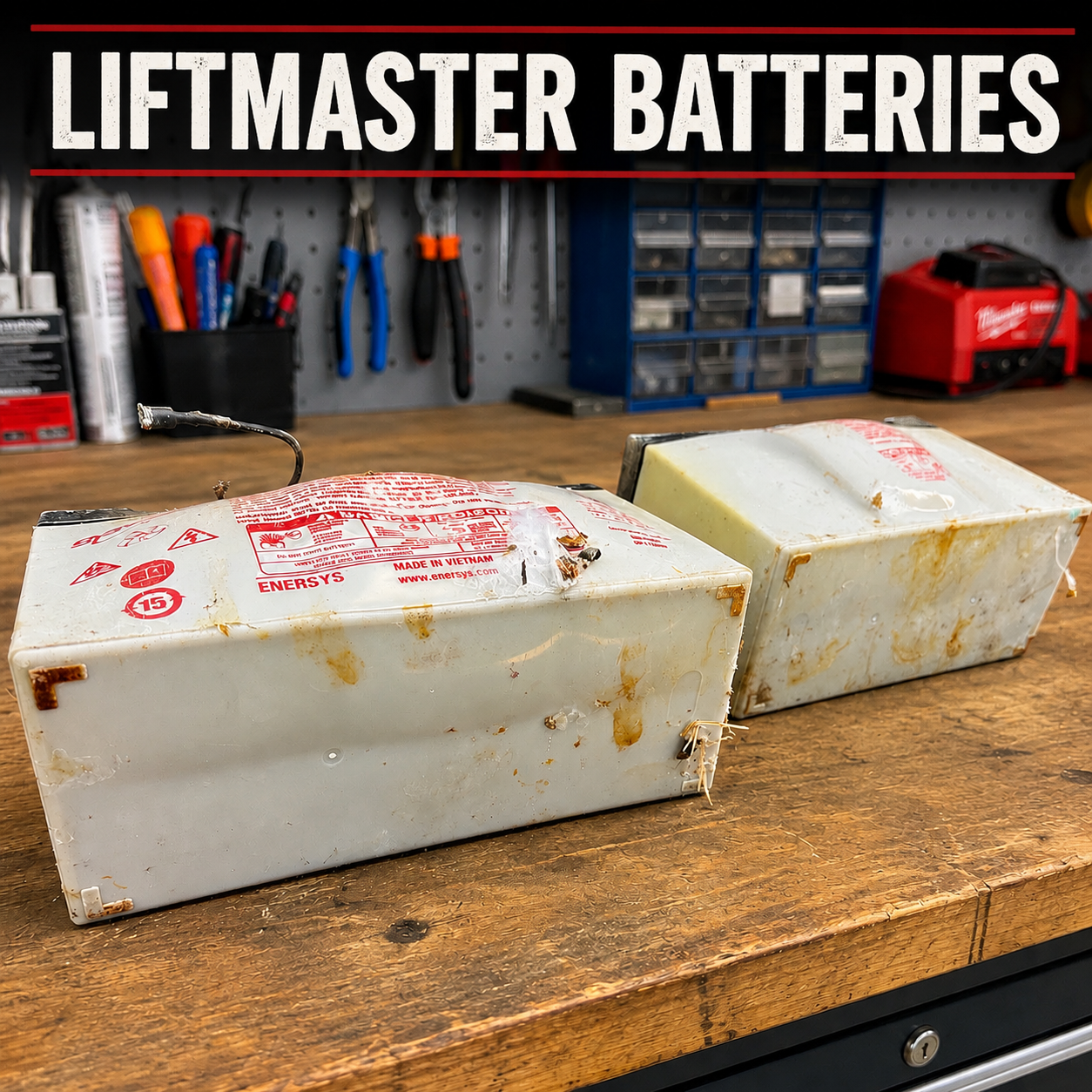
The backup batteries inside the operator were severely swollen and bulging, indicating they had reached the end of their service life. We also found a large amount of rat droppings throughout the operator cabinet, and several wires had been chewed by rodents.
Fortunately, we caught everything before even more extensive damage occurred.
Our technicians replaced both backup batteries, installed a new wiring harness to replace the damaged wiring, thoroughly cleaned and sanitized the operator housing, and restored the system to proper working condition.
Your Gate Operator Is the Perfect Home for Rodents and Insects
Many homeowners don't realize that a gate operator cabinet provides an ideal environment for unwanted pests.
As temperatures begin cooling in the fall and winter, the electronics inside the operator generate a small amount of warmth that attracts rodents looking for shelter. Rats, mice, insects, spiders, ants, and other small animals often find their way inside the cabinet.
Once inside, they can cause serious problems by:
- Chewing electrical wiring
- Building nests around sensitive electronics
- Leaving droppings that create sanitation concerns
- Blocking ventilation
- Damaging sensors and control boards
Unfortunately, most homeowners never know there's a problem until the gate suddenly stops working.
Swollen Batteries Are a Warning Sign
Backup batteries don't last forever.
Here in North Texas, our extreme summer heat can significantly shorten battery life. As batteries age, they may begin to swell or bulge, which is a clear indication they need to be replaced.
If neglected, a failed battery can eventually leak corrosive electrolyte that damages nearby wiring and electronic components. In rare situations, a severely failed battery may rupture under internal pressure.
Replacing a pair of batteries is far less expensive than replacing a damaged control board or an entire gate operator.
Preventive Maintenance Saves Money
This service call is a perfect example of why routine maintenance matters.
During a maintenance visit, we inspect:
- Backup batteries
- Wiring and electrical connections
- Safety devices
- Photo eyes
- Limit settings
- Gate alignment
- Rollers and track (where applicable)
- Chain tension
- Lubrication points
- Signs of rodents, insects, or other pests
- General operation and safety features
Finding problems early often prevents expensive emergency repairs later.
How Often Should a Gate Operator Be Serviced?
At Frisco Fence & Stain, we recommend having your gate operator professionally serviced at least once per year.
For commercial properties, HOA entrances, high-cycle gates, or systems that receive heavy daily use, semi-annual or quarterly maintenance is often the better investment.
We also recommend replacing backup batteries every two to three years due to the extreme temperatures we experience throughout North Texas.
Don't Wait Until Your Gate Stops Working
Most major gate operator repairs begin as small problems that go unnoticed.
A simple maintenance visit can identify aging batteries, damaged wiring, pest activity, worn components, and other issues before they leave you stuck outside your property or facing an expensive repair bill.
If your automatic gate hasn't been serviced in over a year, now is the perfect time to schedule a preventive maintenance visit.
At Frisco Fence & Stain, we offer annual, semi-annual, and quarterly LiftMaster Gate Operator Maintenance Programs designed to keep your system operating safely and reliably all year long.